



Skip to content

Baseboard heater installation and replacement

We install baseboard heaters, convectors and thermostats in Montreal and on the South Shore.

Régie du bâtiment du Québec
RBQ licence
5855-0849-01
Corporation des maîtres électriciens du Québec
CMEQ member
17468
Our service

What powers a baseboard heater, before the heater itself

We install baseboard heaters and convectors across Montreal’s Southwest and the South Shore, with their thermostats. We also heat garages and workshops, and we connect electric furnaces.

A baseboard heater screws onto the wall. What takes a master electrician is what powers it: a 240-volt circuit, wire of the right gauge for its wattage, and a thermostat rated for the load connected to it.

You can buy your heaters from us or elsewhere: we install both. If you already have them, we first check that they carry a certification recognized in Quebec.

  • We check the circuit before installing the heater
  • We replace old thermostats with electronic ones
  • We also install equipment you have already bought
  • We declare the work and guarantee it for a year
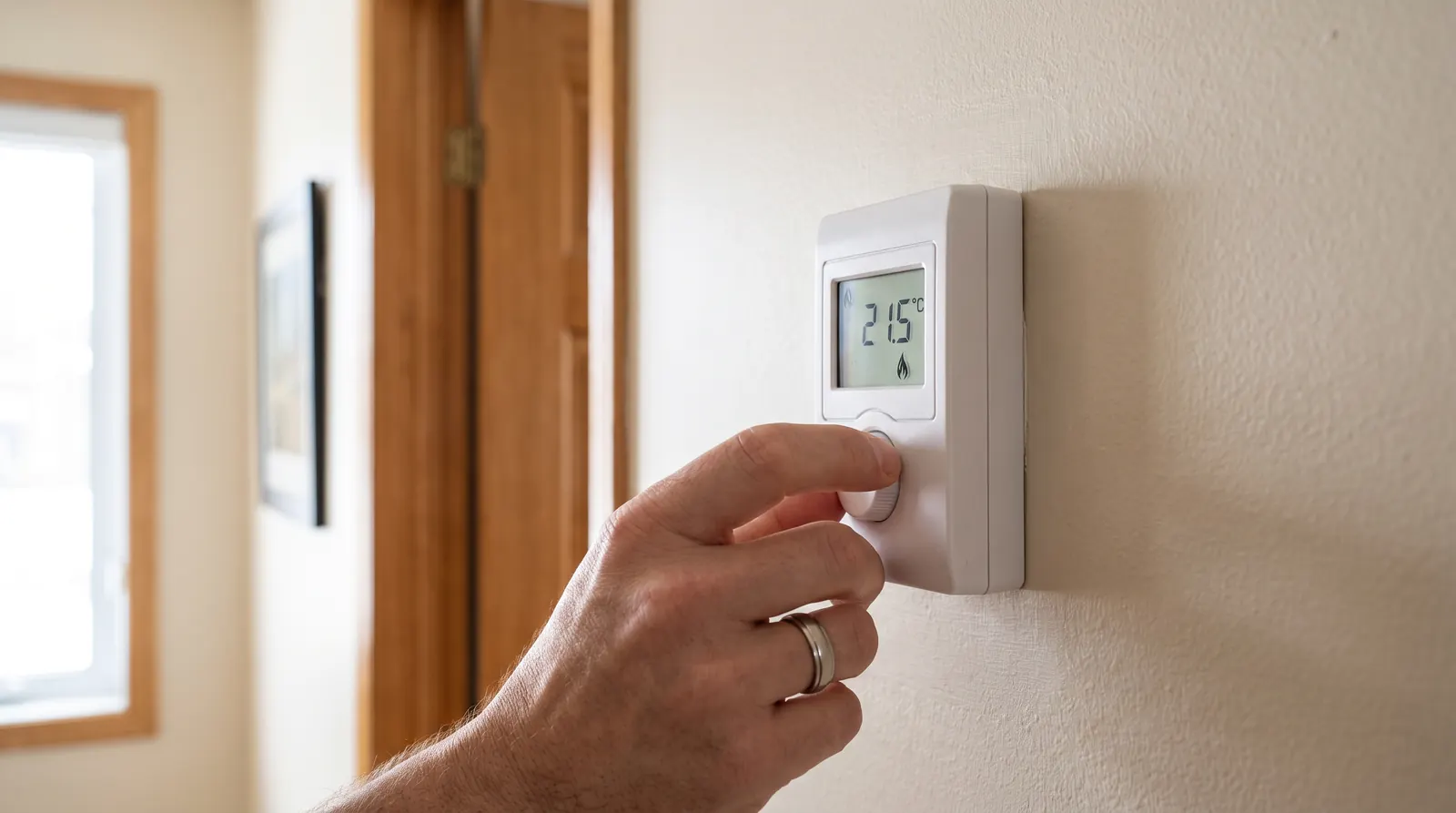
Electronic wall thermostat being adjusted by hand

How it works

From a cold room to switching it on

  1. You describe the rooms

    How many rooms, which heaters, and what is already there. A photo of the thermostat and the panel already tells us a lot.

  2. We check the circuits and the panel

    Wire gauge, thermostat load and room in the panel for a new 240-volt circuit. We tell you what can stay.

  3. We install and connect

    Removal of the old heater, installation of the new one, connection to the circuit and the thermostat. Every circuit is labelled in the panel.

  4. We test, declare and guarantee

    Every heater is switched on in front of you. The work is declared under our licence numbers and guaranteed for a year, parts and labour.

Start your project
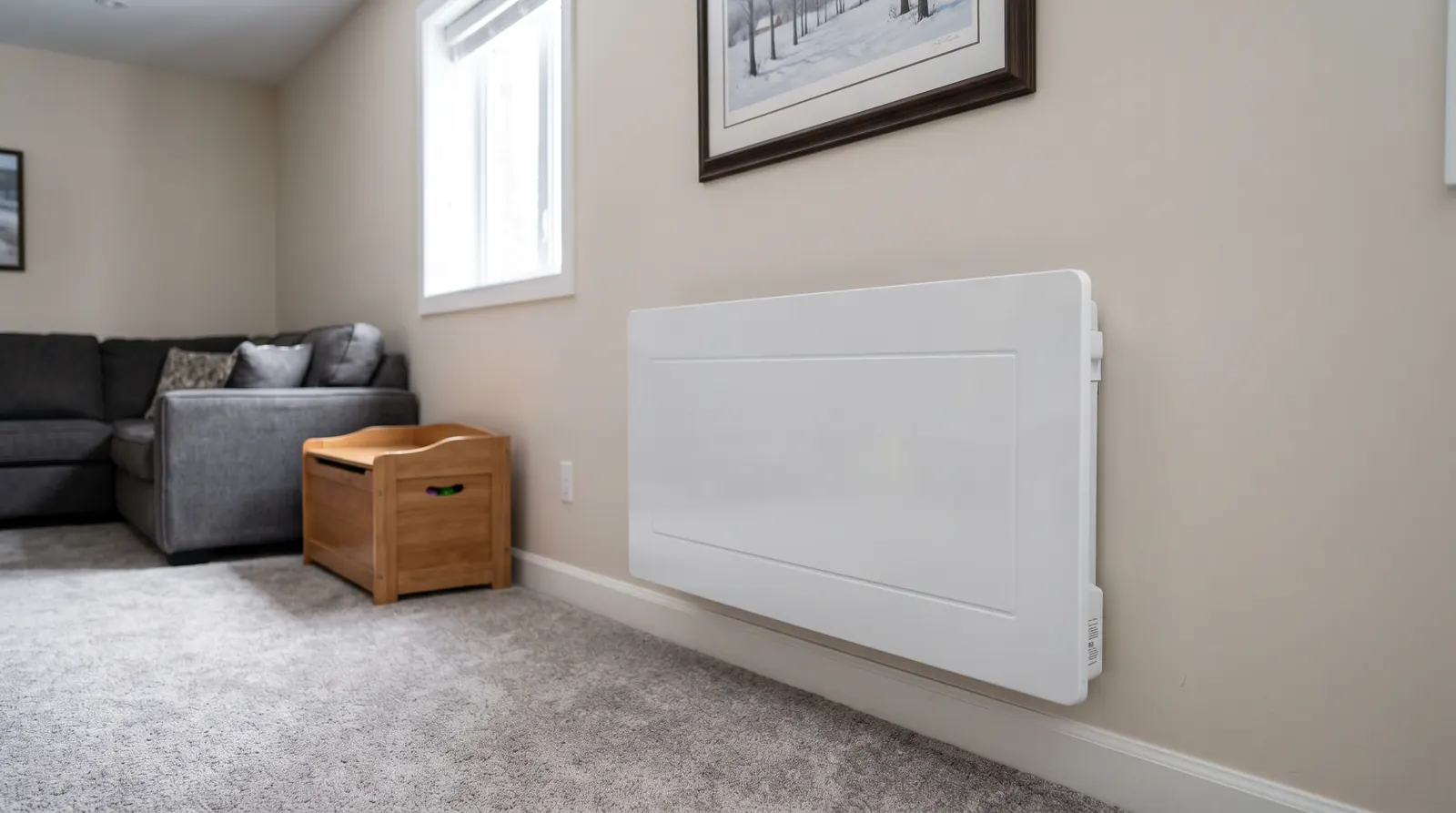
Wall-mounted electric convector in a finished basement
Assessment

What we check at your place

Four things decide the work. None of them shows on the heater you want to replace.

  • The existing circuit

    The wire gauge and the breaker have to match the heater’s wattage. A more powerful heater on an old circuit means a wire that runs hot.

  • The thermostat load

    Every thermostat has a wattage limit. We add up the heaters it controls before adding one.

  • Room in the panel

    A new 240-volt heater needs two positions in the panel. A full panel changes the plan, and a furnace calls for a load calculation.

  • Where the heater goes

    The manufacturer’s clearances around the heater: curtains, furniture, outlets above. They are what make the installation safe and compliant with the manufacturer’s instructions.

Start your project
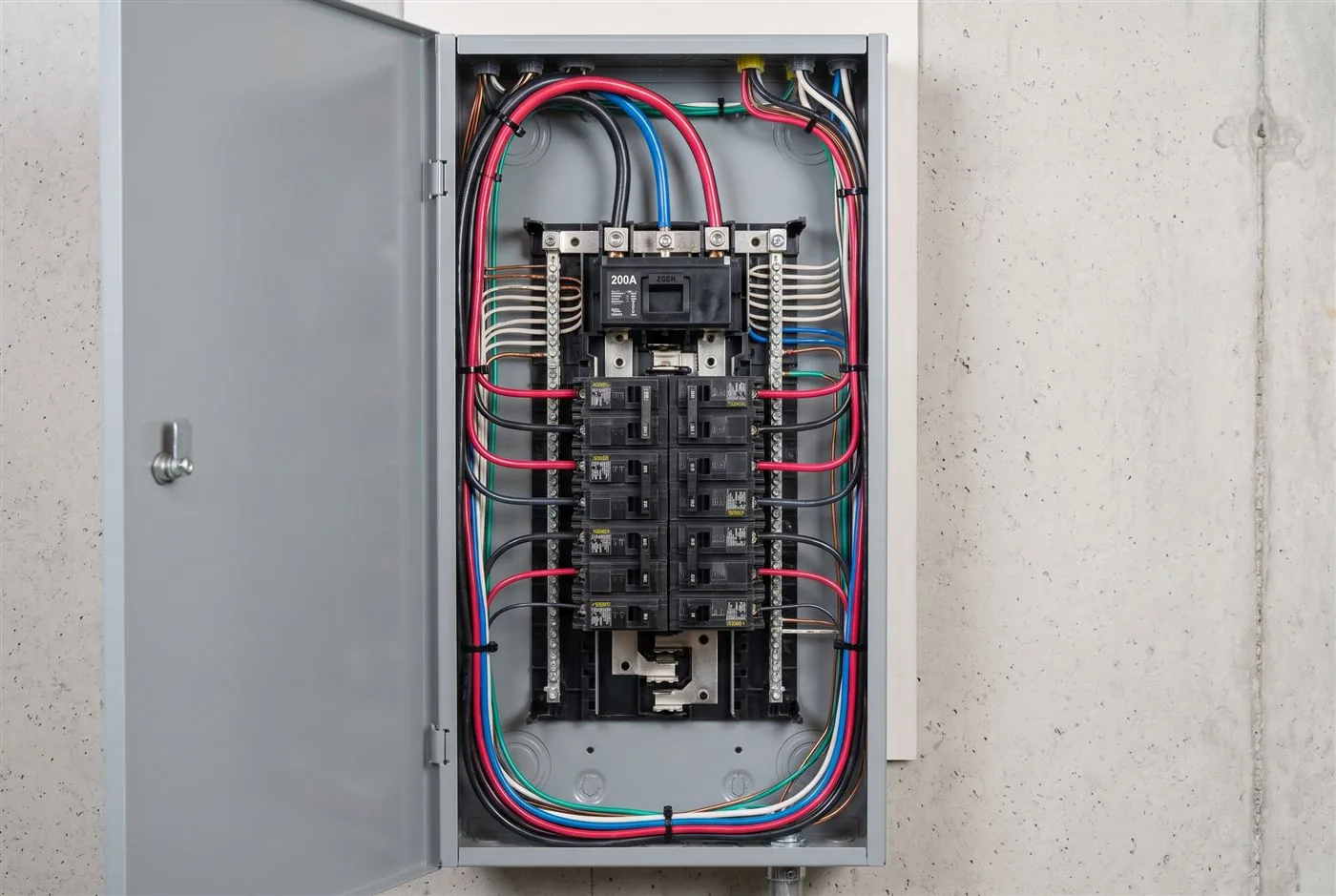
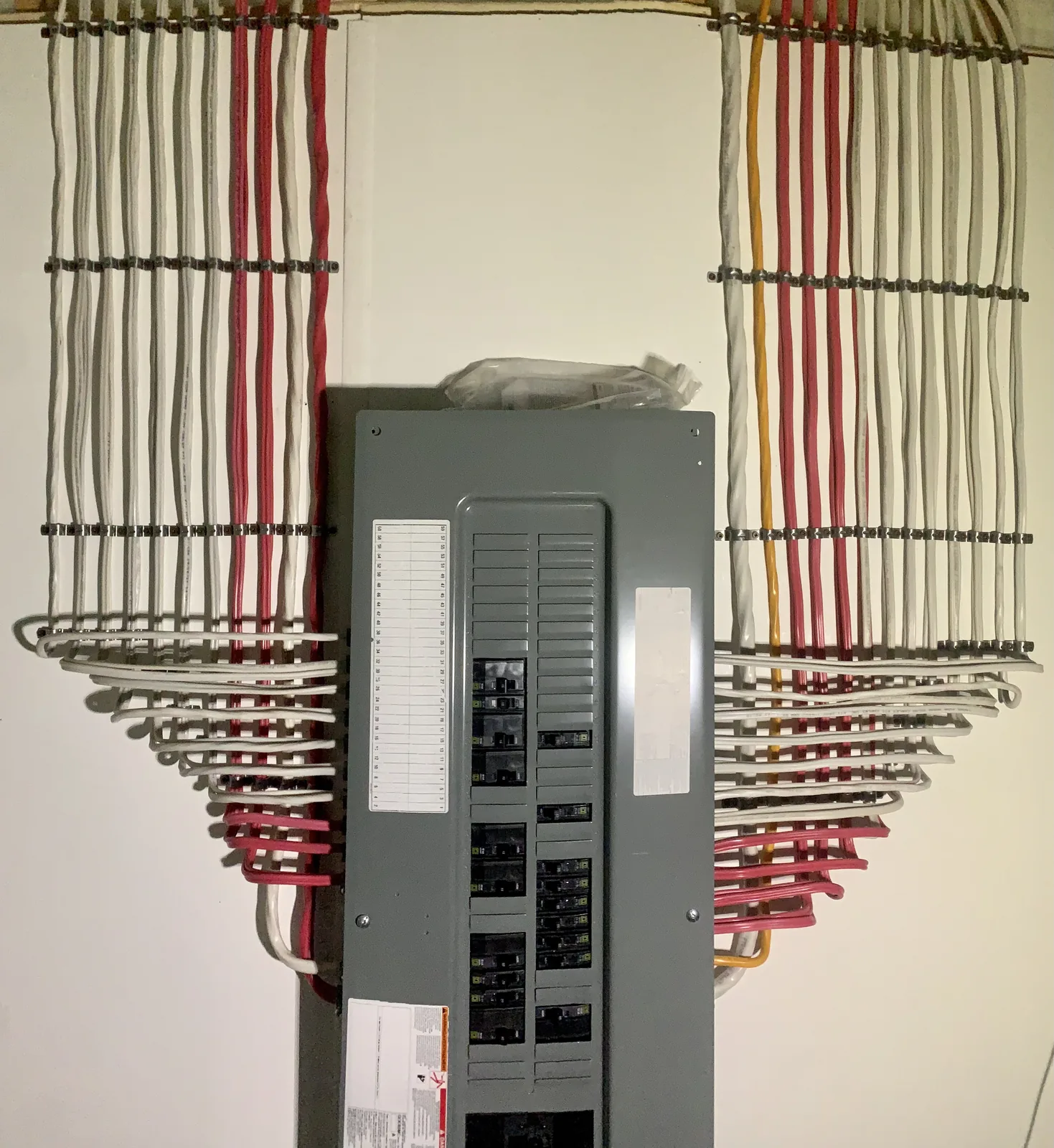
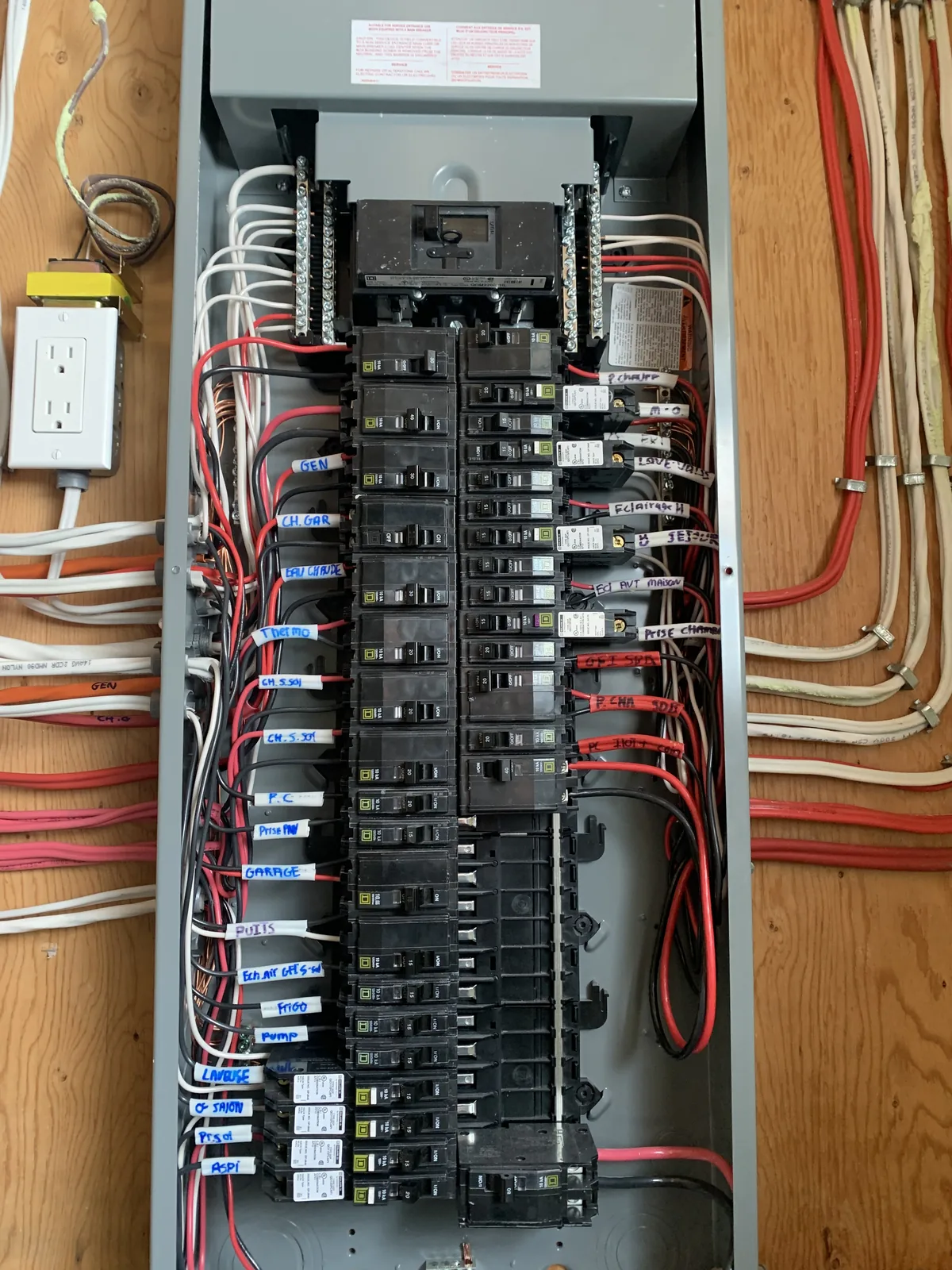
Labelled wiring in a residential electrical panel
The brands

What we install,
and where we buy it

Two Quebec manufacturers and a local distributor. After-sales service is in Quebec, which matters the day a part needs replacing.

  • Stelpro

    Quebec manufacturer of baseboard heaters, convectors, unit heaters and thermostats.

    • Full range, from the heater to the thermostat
    • Parts available in Quebec
  • Another Quebec manufacturer of electric heating. We choose based on the room and availability, with no exclusivity agreement.

    • Baseboards, convectors and unit heaters
    • Chosen for the room, not by agreement
  • Our electrical supply distributor. That is where we buy the heaters we supply.

    • Distributor, not a manufacturer
The budget

What changes the price

The number of heaters first, then three things only visible at your place.

Replacing one baseboard on a sound circuit and equipping a new room are not the same job.

A recent circuit is reused as is. An old undersized wire, or a circuit shared with something else, gets redone.

A few baseboards add little load. An electric furnace or a fully heated garage calls for a load calculation, sometimes an upgrade.

An unfinished basement is easy to cross. Finished walls, or a detached garage to power, take more work.
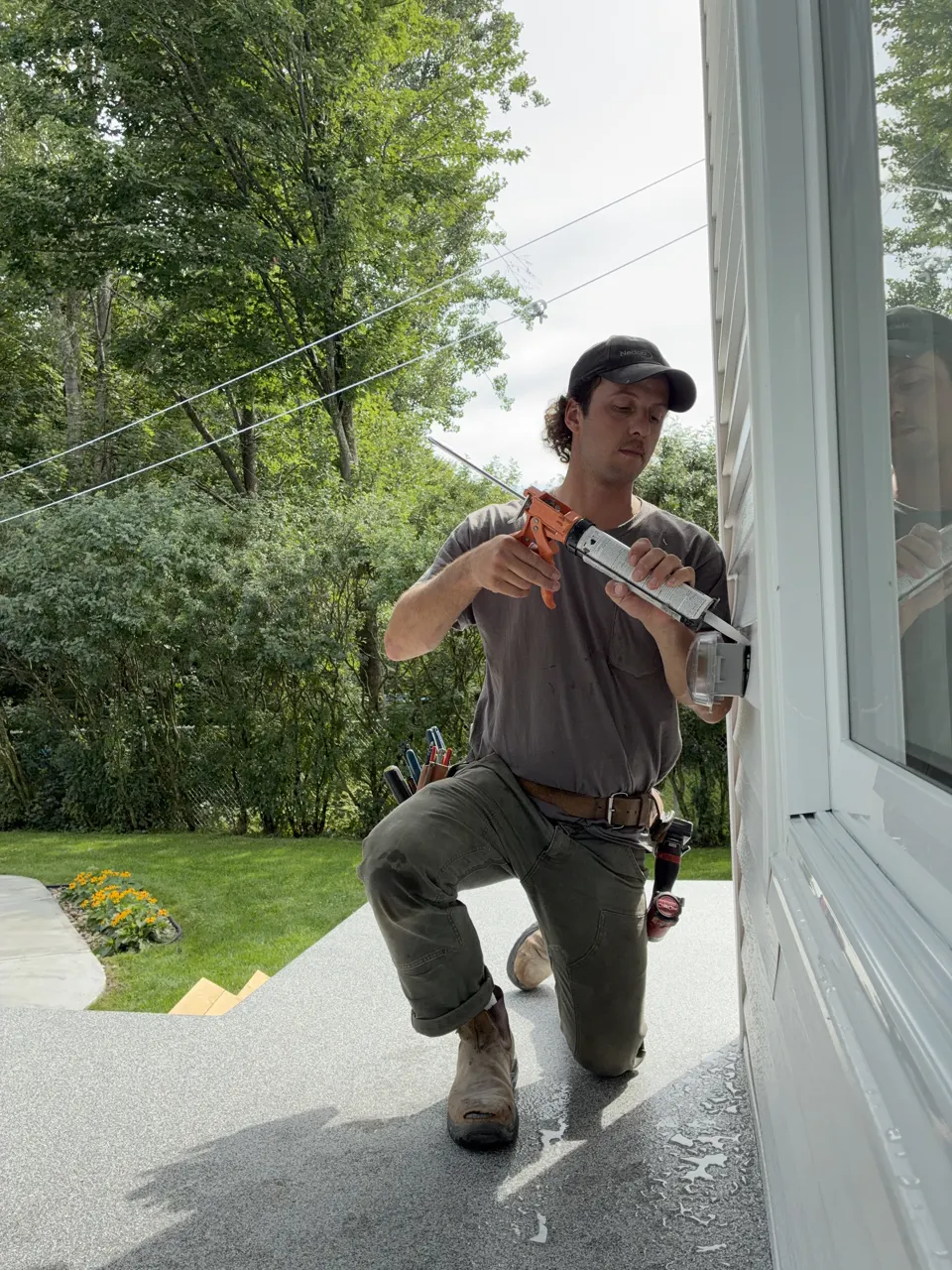
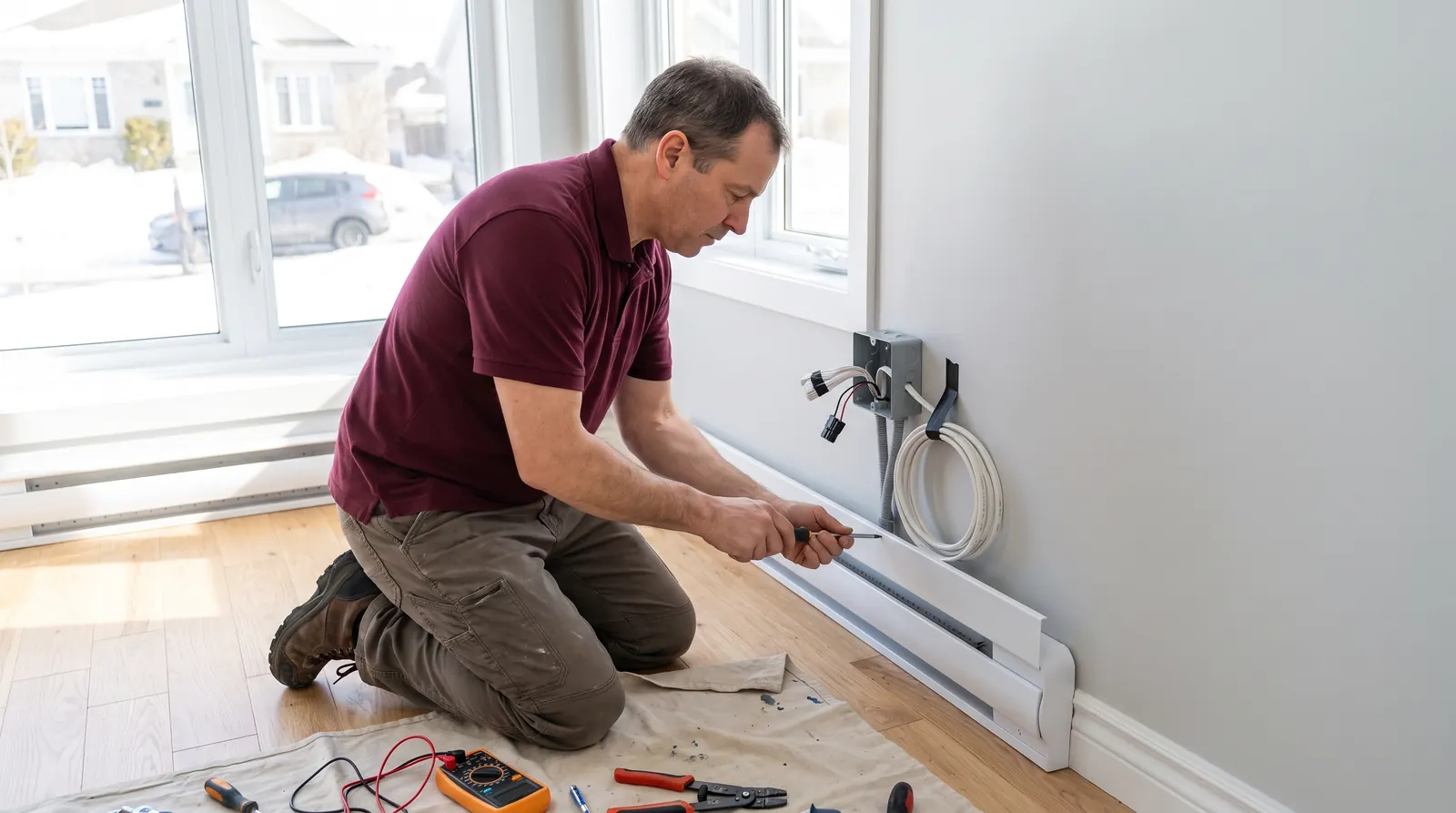
Marc-André Vinet, master electrician, sealing an electrical box on an exterior wall
The right heater

Baseboard, convector, unit heater or furnace

Four ways to heat with electricity. The right choice depends on the room, not the appliance.

Low and discreet, it goes under a window to offset the cold air coming down from the glass. It is also a heater that can be replaced without touching the rest of the wall.

Taller than a baseboard, it heats the air and moves it through the room. It suits rooms where the bottom of the wall is taken: finished basements, bathrooms, rooms furnished wall to wall.

A small 120-volt garage heater plugs into an outlet. A 240-volt unit heater, mounted high up, heats a large space quickly and needs its own circuit; a detached garage needs power brought out to it.

It heats with forced air through existing ducts. It is one of the largest loads in a house: the load calculation tells whether your service can carry it or needs an upgrade first.

The heater’s wattage is chosen based on the room’s floor area, its insulation, the ceiling height and the window area. We take it into account before choosing the heater, not after.

White electric baseboard heater under a window
The work

What installation or replacement includes

What we do, and what belongs to another trade.

  1. Removing the old heater

    We disconnect and remove the baseboard or convector being replaced, and check the condition of the wire that fed it.

  2. The circuit and the connection

    A new circuit when one is needed, otherwise the connection to the existing circuit once it is checked. Every circuit is labelled in the panel.

  3. The thermostat

    Connection to the existing thermostat if it can carry the load, or a new electronic thermostat.

  4. Start-up and declaration

    Every heater is tested in front of you, and the work is declared under our licence numbers.

For an oil-to-electric conversion, we do the electrical part: load calculation, service upgrade if needed, and the circuit for the furnace or the baseboards. Removing the tank and the old unit, and any ductwork, belong to a heating contractor.

The thermostat

The baseboard heater thermostat

It is what controls the heater. It is chosen with the heater, not afterwards.

  1. A line-voltage thermostat

    A baseboard heater is controlled by a line-voltage thermostat, wired directly into its 240-volt circuit. It is not the same device as a furnace thermostat, which runs on low voltage.

  2. Its maximum load

    Every thermostat has a maximum load in watts. We add up the wattage of the heaters it controls before adding one, because an overloaded thermostat runs hot.

  3. Electronic or mechanical

    An electronic thermostat holds the temperature steadier than an old mechanical one. Changing it does not require changing the heater.

  4. One thermostat per room

    Two rooms on one thermostat are set to the same temperature, even if one is colder than the other. One thermostat per room sets each to its own need.

Electronic baseboard heater thermostat being adjusted by hand
Electrical panel with every circuit labelled, heating included
5,020 avis
Google
240 V

The voltage of a baseboard heater in Quebec

That is what makes it an electrician’s job: a dedicated circuit, a double-pole breaker and wire sized for the heater’s wattage.

2,000+

Projects completed over our career, residential and light commercial

180

Projects a year, the same master electrician on each one

1 year

Warranty on parts and labour

Why you can trust us

Heating is wiring first

About ten years in the trade, and the habit of looking at what powers an appliance before replacing it.

An old heating circuit cannot be guessed. We open the thermostat, look at the wire gauge and at what is on the breaker, then tell you what can stay and what has to change. The person who does that check is the person who does the work.

What people say about us
  • Charles Tremblay-RoyGoogle review★★★★★

    « Service impeccable ! L'électricien a été ponctuel, professionnel et a fait un travail de grande qualité. Tout fonctionne parfaitement. Je recommande sans hésitation ! »

  • Isabelle GervaisGoogle review★★★★★

    « J'ai fait affaire avec cette entreprise quelques fois et je recommande fortement. Service super professionnel, et le travail est impeccable. »

  • Etienne Gauvreau-HurtubiseGoogle review★★★★★

    « Véritable allié stratégique pour nos projets d'électricité, Marc-André est efficace, courtois et rapide. Nous le recommandons! »

  • joel touchetteGoogle review★★★★★

    « Service professionnel, offre des options pour ne pas augmenter le prix inutilement concernant le choix des travaux à réaliser »

  • Charles Tremblay-RoyGoogle review★★★★★

    « Service impeccable ! L'électricien a été ponctuel, professionnel et a fait un travail de grande qualité. Tout fonctionne parfaitement. Je recommande sans hésitation ! »

  • Etienne Gauvreau-HurtubiseGoogle review★★★★★

    « Véritable allié stratégique pour nos projets d'électricité, Marc-André est efficace, courtois et rapide. Nous le recommandons! »

  • Isabelle GervaisGoogle review★★★★★

    « J'ai fait affaire avec cette entreprise quelques fois et je recommande fortement. Service super professionnel, et le travail est impeccable. »

  • joel touchetteGoogle review★★★★★

    « Service professionnel, offre des options pour ne pas augmenter le prix inutilement concernant le choix des travaux à réaliser »

1 / 4
Price estimator

A price range for your work

The estimator gives a range for our main services. Heating is not in it yet: for your baseboard heaters, write to us with the number of rooms and heaters, and we will get back to you.

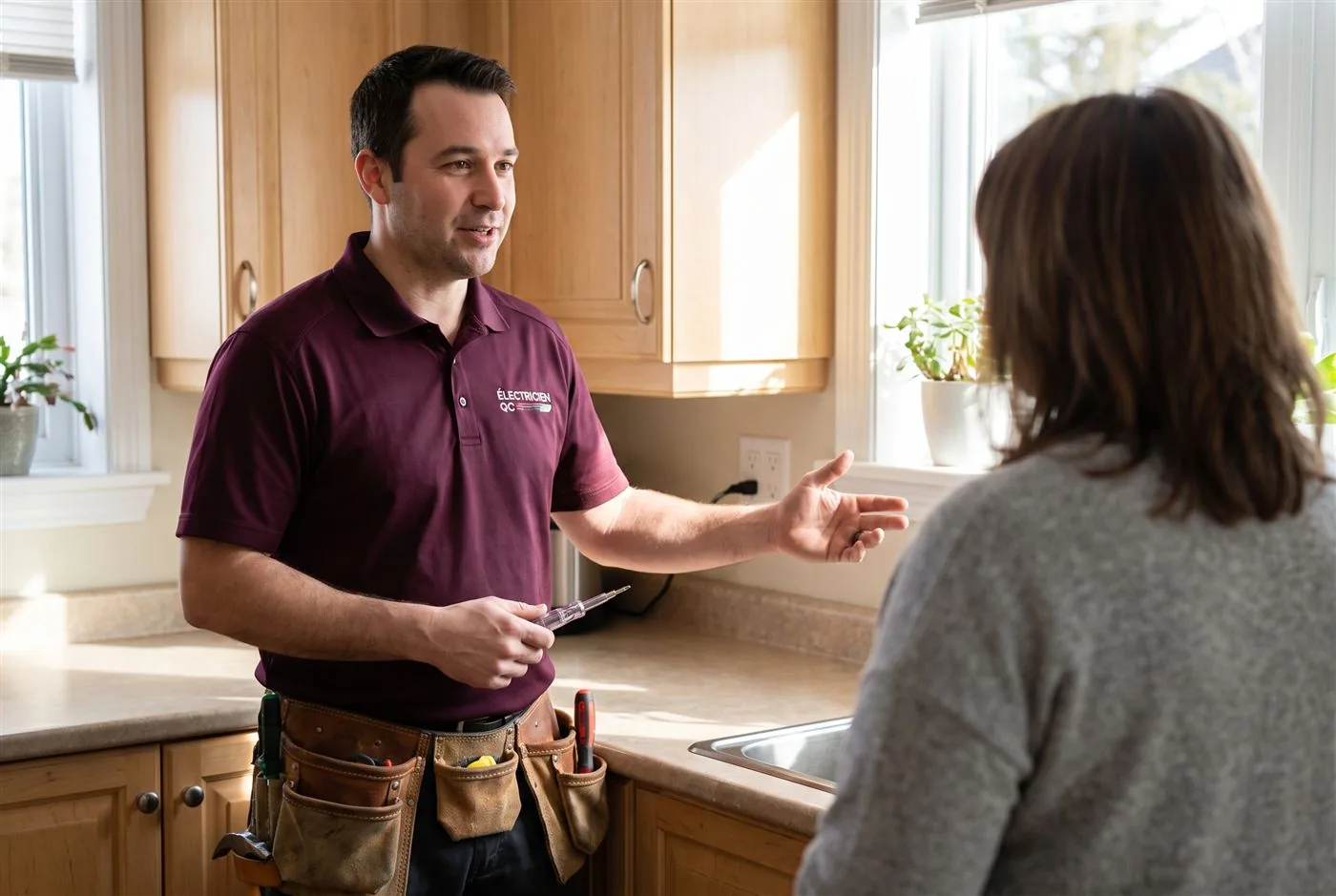
Électricien qui répond aux questions d’une cliente avant les travaux

Your questions

Frequently asked questions

Nothing here promises a timeline or an amount: for that, we need to see the job.

The price depends on the number of heaters, the condition of the circuit that feeds them, your service capacity and access to the walls. Replacing one baseboard on a sound circuit takes the least work. We quote after seeing your circuits and your panel.

A baseboard heater runs on 240 volts, and the heater is the easy part. The circuit, the wire gauge, the breaker and the thermostat load all have to match the heater’s wattage. That is electrical work, which we declare under our numbers, RBQ 5855-0849-01 and CMEQ 17468.

Two things govern the installation. The manufacturer’s instructions set the clearances: distance from curtains and furniture, and placement relative to outlets. The Code governs the circuit: wire, breaker and thermostat suited to the wattage. We check both before installing.

Yes, if the circuit can carry the convector’s wattage and the wall offers the clearances the manufacturer requires. A convector more powerful than the old baseboard may need a heavier wire gauge and a different breaker. We check before ordering the unit.

Not always. We first check that the existing thermostat can carry the load of the heaters it controls. If it is mechanical, an electronic thermostat holds the temperature steadier, and this is the simplest time to change it.

Yes. We first check that they carry a certification recognized in Quebec. If they do, we install them and guarantee them like our own equipment.

We do the electrical part: the load calculation, a service upgrade if needed, and the circuit for the furnace or the baseboards. Removing the tank and the old furnace belongs to a heating contractor.

Service area

Where we install

Verdun, Brossard, LaSalle, Châteauguay, Longueuil, and the rest of Montreal’s Southwest and the South Shore. Not sure you are in the area? A text message at (514) 929-9963 does the job.

Start your project

Tell us about your project

Describe it in a few words, even if it is still just an idea. We assess on site what your installation can take, and you decide from there.

(514) 929-9963

Start your project

A photo of your panel or of the spot often saves us a back and forth.

Thank you! Your request is on its way. Marc-André gets back to you as soon as he can.

CallStart your project