The direct answer
The rating is the first number to know, and you can read it without a tool. The real question comes right after: is yours still enough for what you want to do.
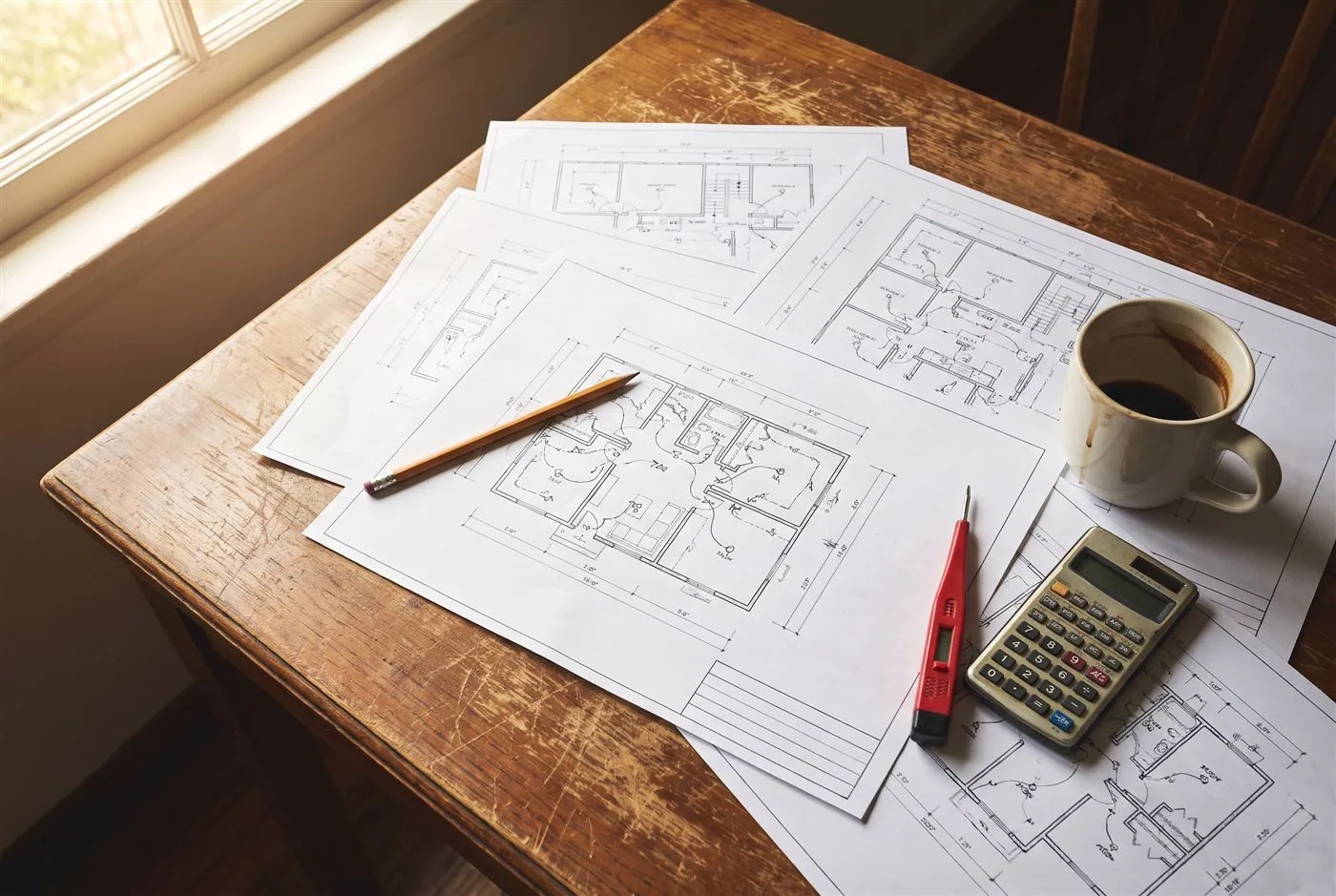
A calculation answers that, not an impression. The rest of this article explains what that calculation looks at, and what it changes for your project.
Where to read the rating at home
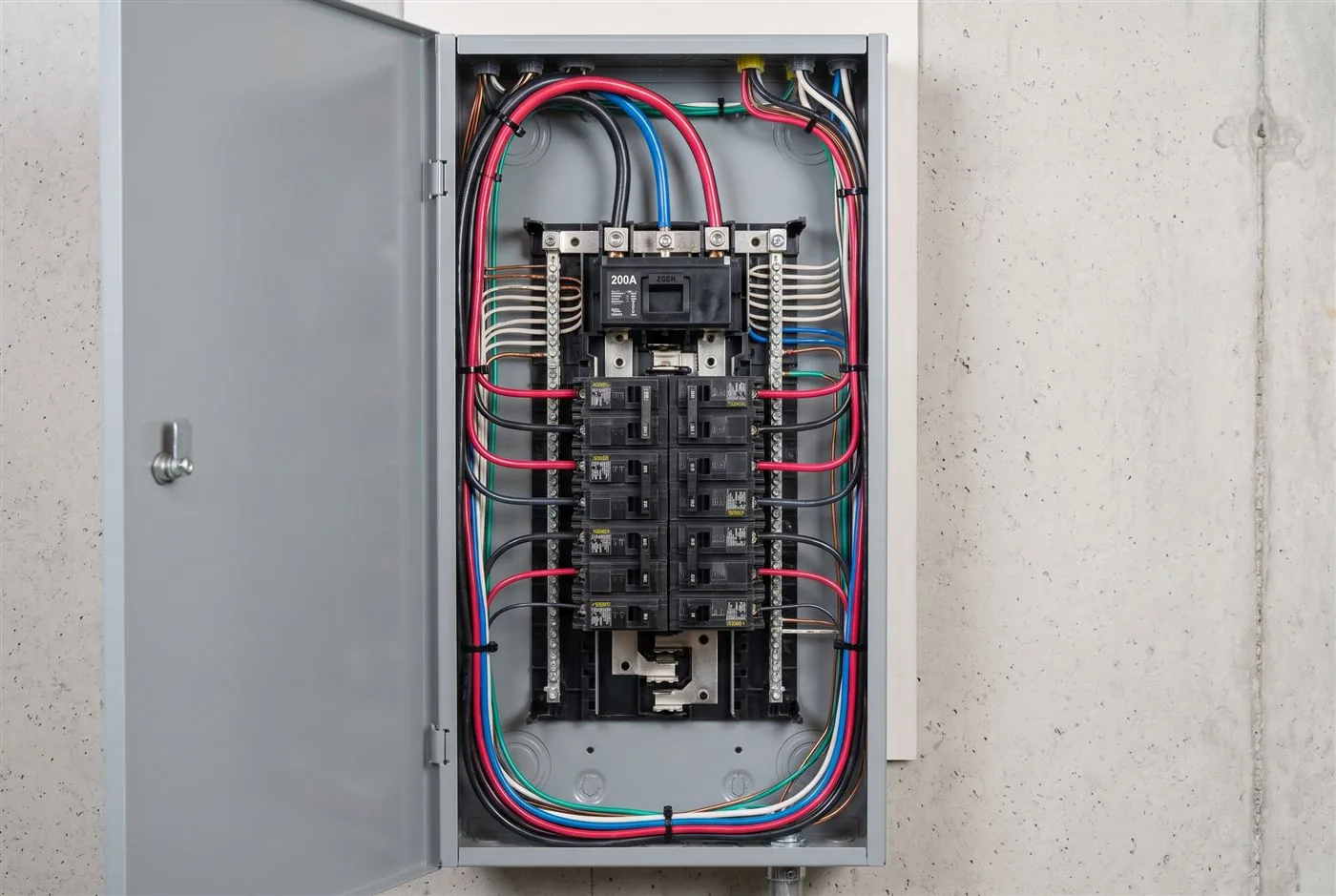
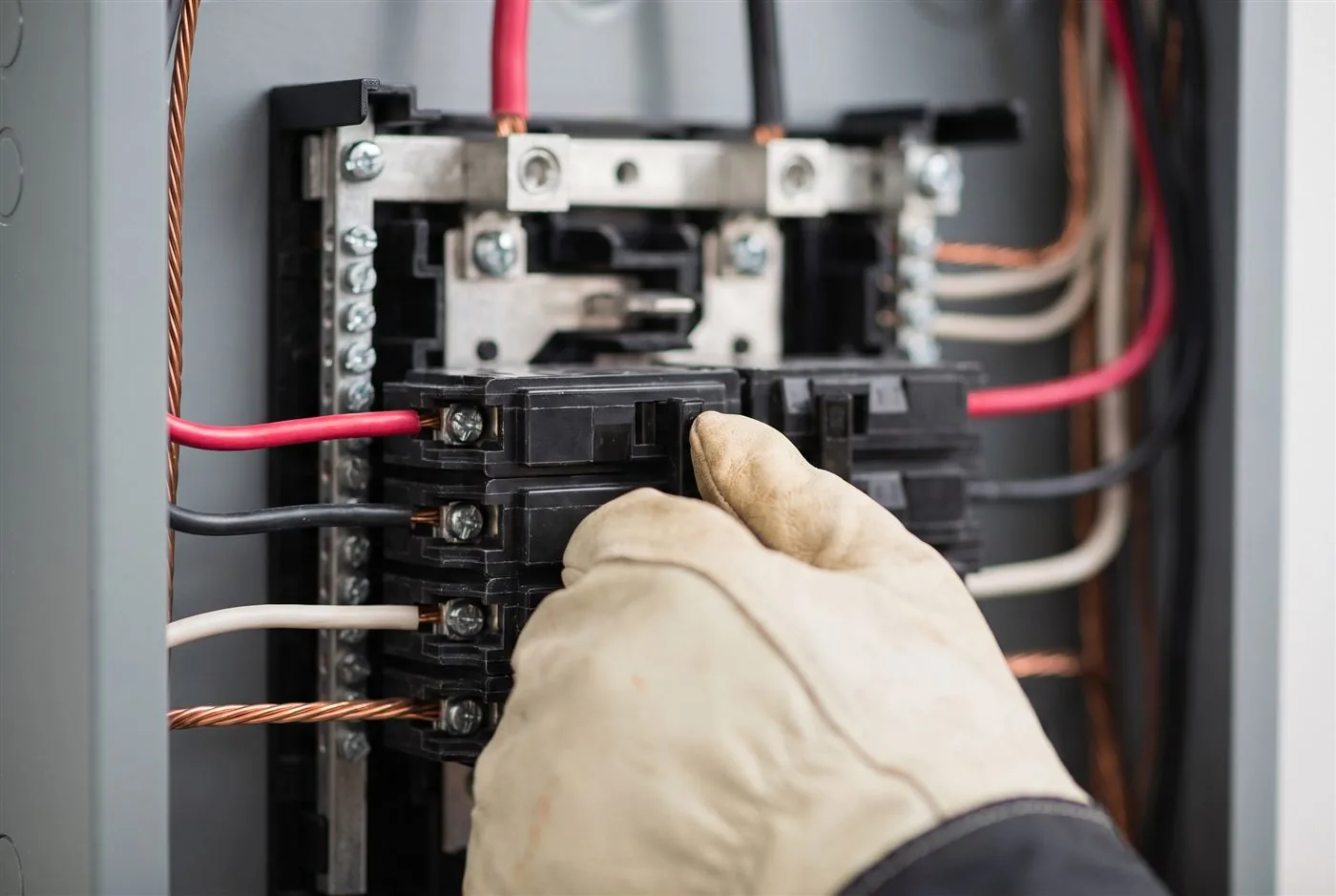
Open the door of the panel. The main breaker is the biggest one, usually alone at the top or at the bottom of the column.
A number is stamped on its handle: 60, 100, 125 or 200. That is the rating of your service.
If the panel holds screw-in fuses instead of breakers, you have the answer to a different question: that panel is due for replacement, whatever the calculation says.
What each rating changes
A 60 amp service is not enough today for almost any addition, and several insurers refuse it.
A 100 amp service still suits a lot of homes, as long as no large continuous load is added to it. An EV charger is one of those.
A 125 amp service exists too, often on homes upgraded once already. It gives a bit of room, rarely enough for two large additions.
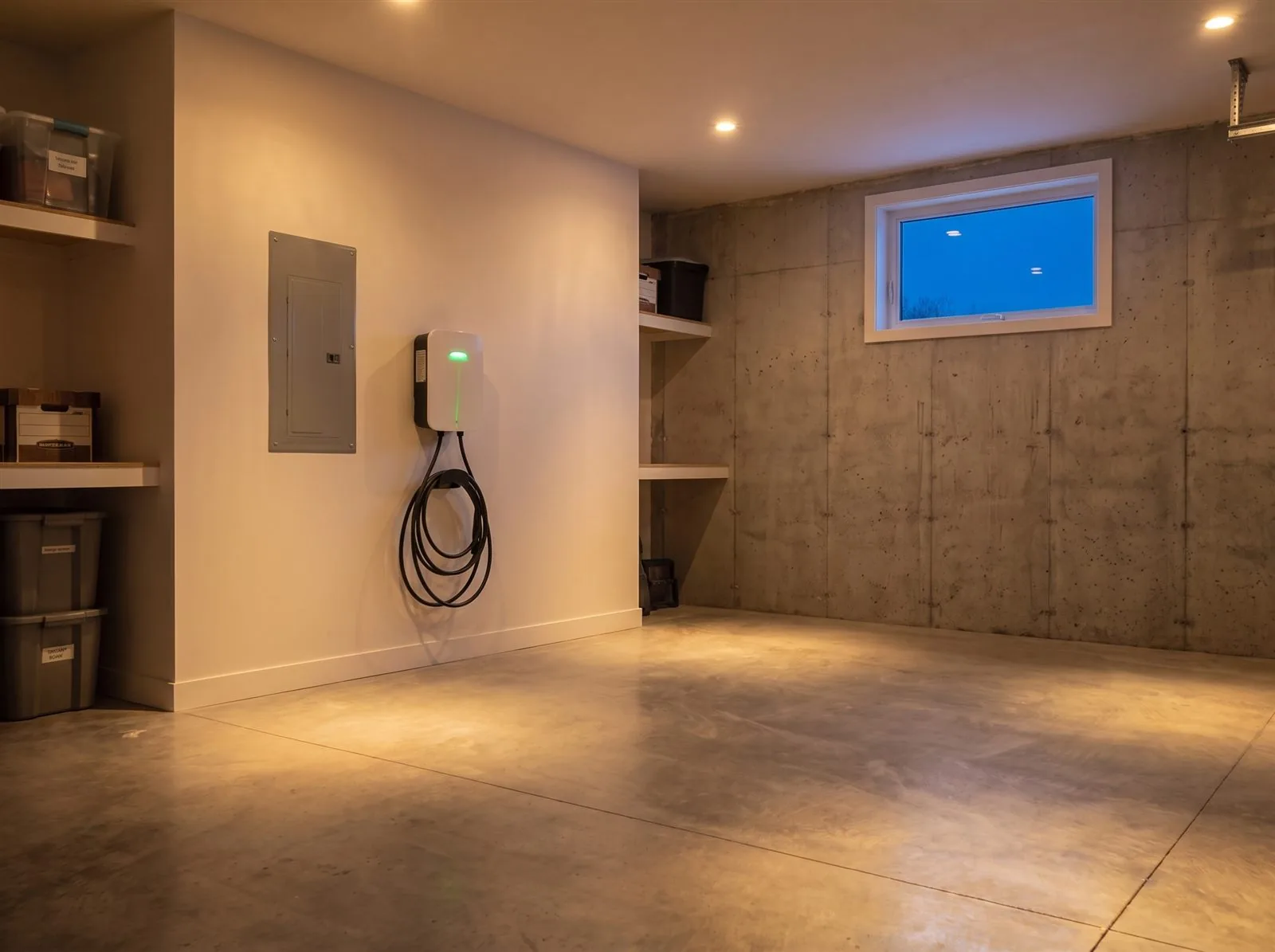
A 200 amp service leaves room for a charger, a hot tub, radiant floor heating or a heat pump. It is the rating we upgrade to when the calculation no longer passes.
The four reasons a panel gets upgraded
We replace or upgrade a panel for four reasons. They show up alone or together, and none of them has anything to do with how the box looks.
You need to add circuits to it
A full panel takes no more circuits. When a project calls for two or three more, the panel becomes the starting point of the work.
It is no longer strong enough
The load calculation goes past what the service can carry. That is not a comfort question, it is a capacity question.
You are installing larger equipment
A charger, a hot tub, radiant floor heating or a heat pump all get added to whatever is already running. Each one is calculated before it is ordered.
It has to be moved
A basement being redone, a wall coming out. A panel that changes location gets rebuilt anyway, and that is the right moment to revisit its rating.
The age of the panel is not what decides
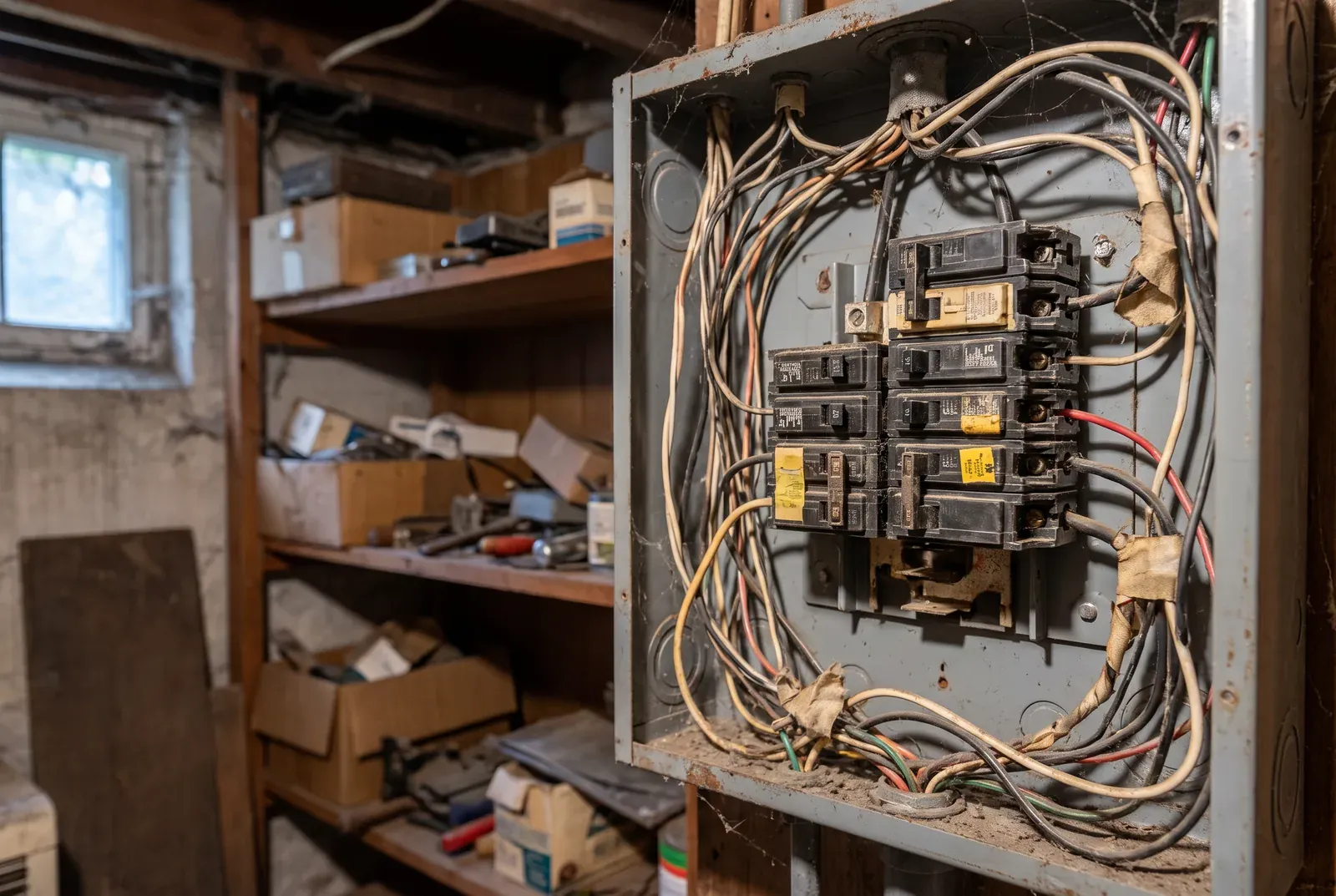
People often call us because a panel looks old, or because someone called it outdated in passing. That is not what decides.
An older panel with breakers that hold and a proper ground is still doing its job.
A recent panel taking on a charger and a hot tub over a 100 amp service is not. The load calculation decides, the year of manufacture says nothing.
When 100 amps is still enough
A 100 amp service is not a deficient service. It still feeds plenty of homes in Montreal’s Southwest without the slightest problem.
We would rather say so, because the opposite sells better.
- The heating runs on gas or oil, which frees up the biggest load in the house
- The house has no EV charger, no hot tub and no radiant floor heating
- The project underway only adds lighting and outlets
- The panel keeps some slots, and the load calculation leaves room
What the load calculation actually looks at
The Code sets out a calculation method for a single family dwelling. It does not guess, it adds up.
The living area
It gives the base load of the dwelling, before a single appliance is looked at.
Heating and air conditioning
In an electrically heated home, this is the biggest load of them all.
The fixed appliances
Range, water heater, dryer, dishwasher. Each one enters at its real rating, not at an average.
The special loads
Charger, hot tub, radiant floor heating. A charger is calculated at 125% of its rated current, because it draws for hours at a stretch.
The demand factors
Nothing ever runs all at once, and the Code accounts for that. It is what keeps a service from being upgraded when it did not need to be.
Free slots do not mean capacity
This is the most common confusion. A panel can have six empty slots and no capacity available.
What counts is the sum of the loads already connected, calculated with the method set out in the Code. Free slots say nothing about that.
The reverse happens too: a panel with no free slot can still have capacity, and a tandem breaker sometimes settles the matter without touching the service.
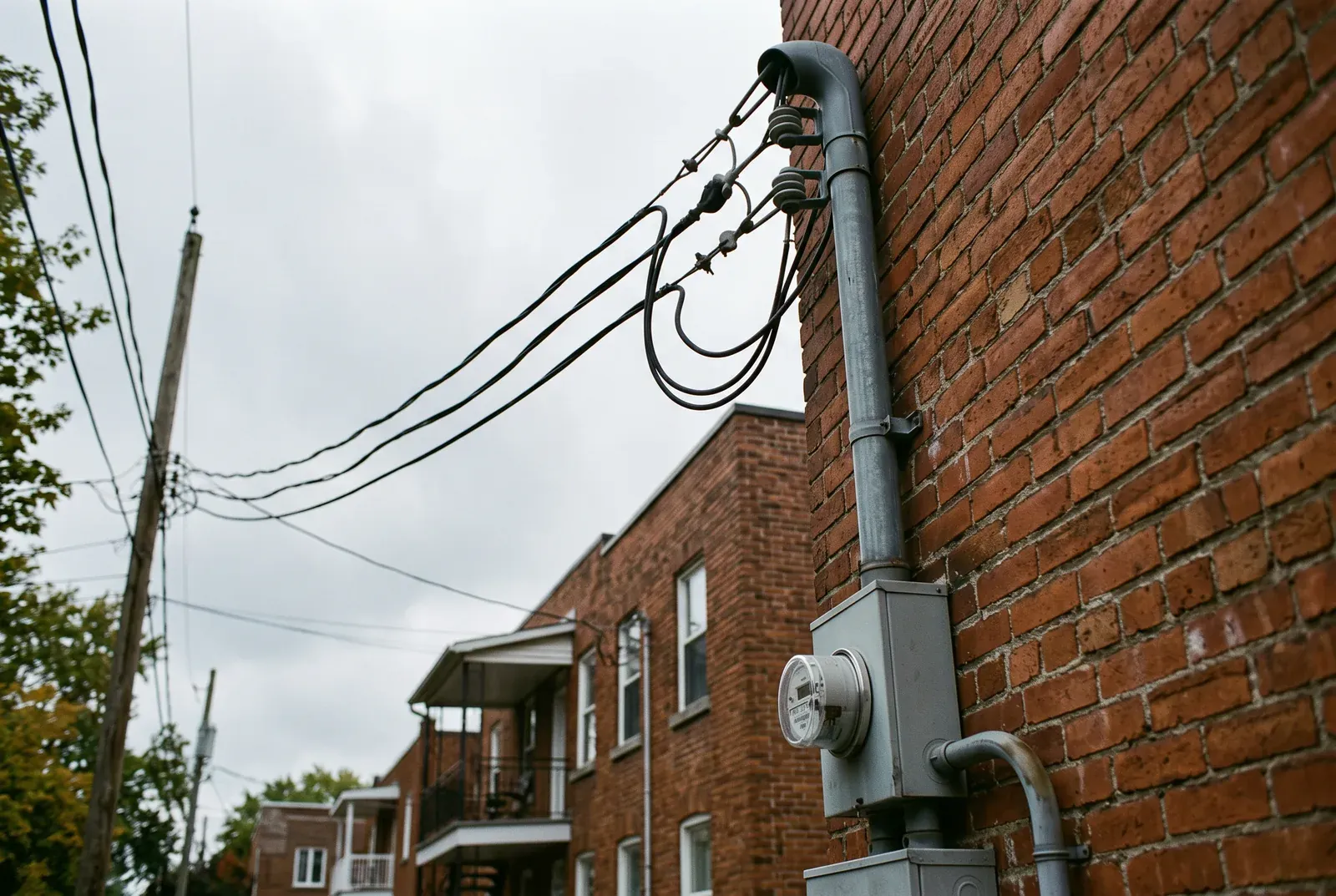
What a charger, a hot tub or a heated floor changes
Four additions come up constantly with our clients, and they are the ones that tip the calculation.
- A level 2 EV charger: a dedicated circuit, often 40 amps, drawing for several hours at a stretch
- A hot tub: the CMEQ applies a 100% demand factor to it, so it counts in full in the calculation
- Radiant floor heating: its own circuit, sized for the area to be heated
- A heat pump: we handle the wiring, and it adds to the heating already in place
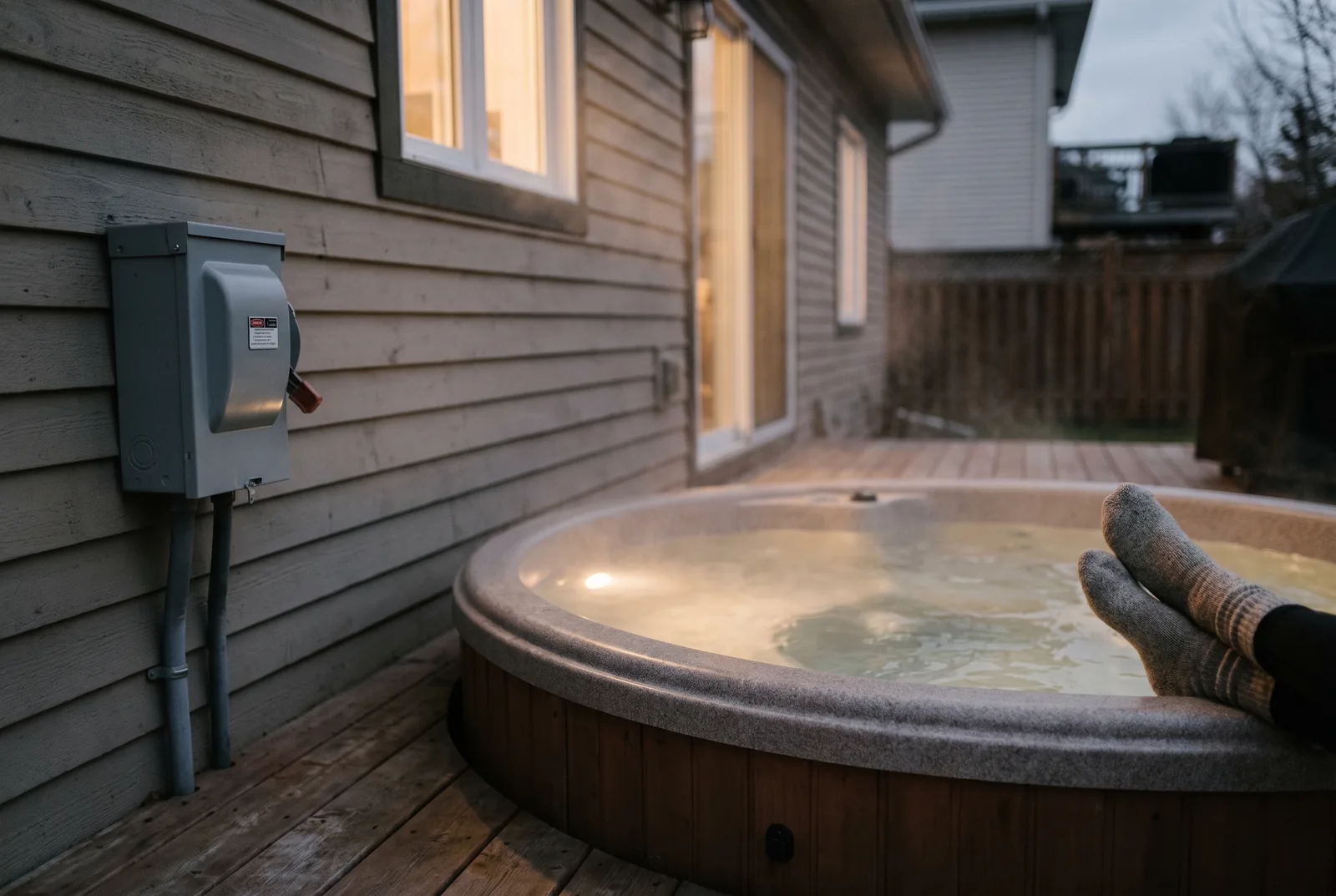
What the job involves on site
A panel does not get replaced live. The power is off for the duration of the work, and we tell you when during planning.
The work takes from half a day to a full day, depending on how much has to be redone.
We cut the power and remove the old panel
The existing cables are identified, then the old panel comes out with the power off.
We install the new panel
With room left free for what comes next. A panel that is full on installation day is a panel to reopen at the next project.
We transfer the circuits
One by one, with the ground and the bonding redone whenever they no longer meet the Code.
We label, verify and power back up
Every breaker is labelled, the installation is verified, then powered back up with you.
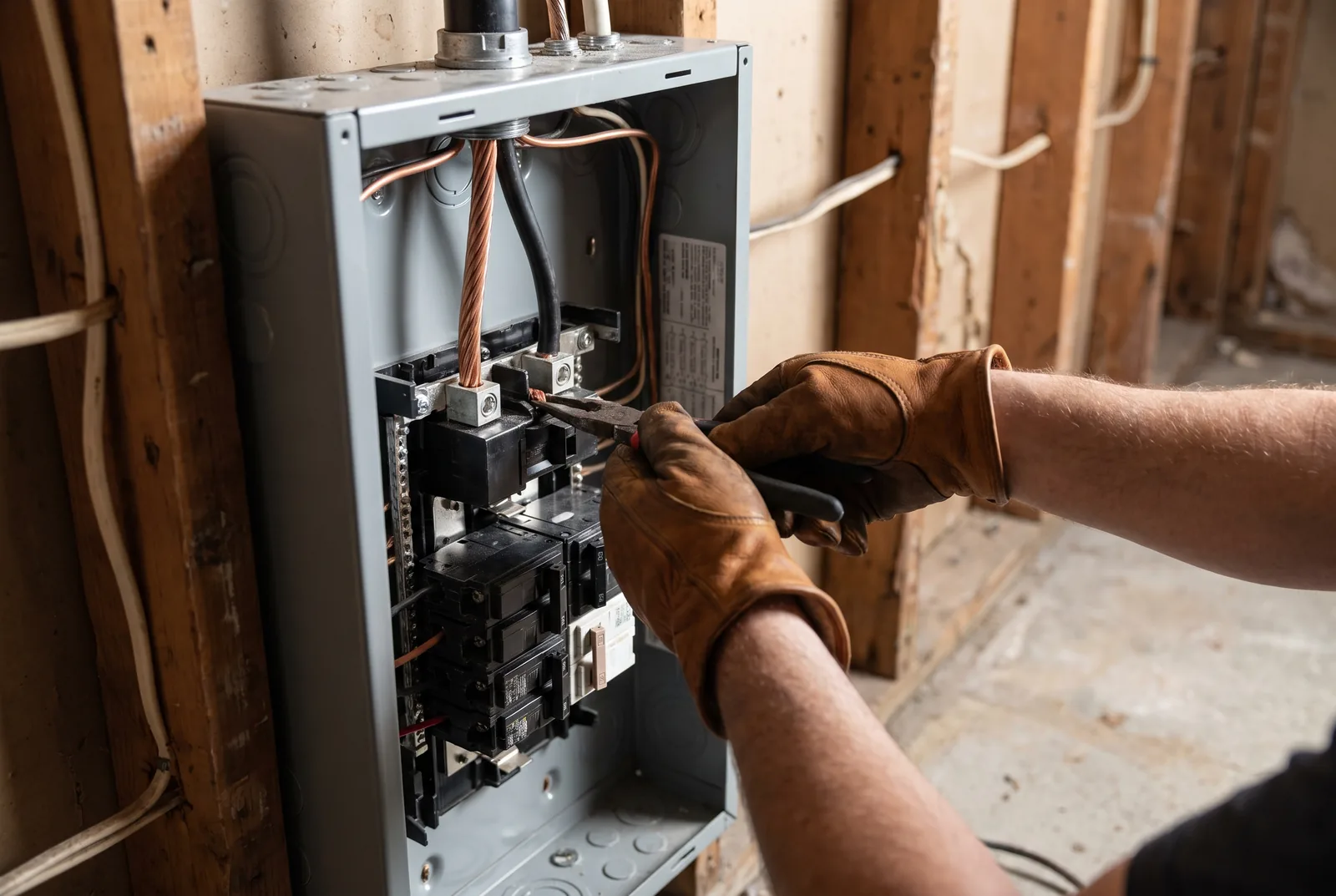
Permits, declarations and licences
This question comes up at every visit, and the answer is simpler than people expect.
In most Montreal boroughs, an owner does not need a municipal permit for electrical work inside their own building. What is required is that the contractor hold the licences. We check what applies in your borough during the visit.
The declaration of work to the Régie du bâtiment, when it applies, is filed by the contractor under their licence numbers. Never by the owner, and it is included in the job.
The connection request to the distributor, when the service is upgraded, works the same way.
What drives the scope of the work
Two houses on the same street do not call for the same job. Here is what changes the scope of the work.
- The mast and the meter base: if they have to follow, the job climbs to the roof instead of staying in the basement
- The type of service: overhead or underground, the outside work and the paperwork are not the same
- The ground and the bonding on the plumbing, often to be redone on an older installation
- The number of circuits to transfer, since each one is moved over on its own
- Moving the panel, which means extending or redoing cables
- What we find once it is open: aluminum wiring, doubled circuits, breakers that do not match the gauge of the wire
What to send us to get an answer
Two things are enough to size up your project before anyone even comes out.
- A photo of the panel with the door open, the main breaker handle and the circuit labels readable
- The list of what you plan to add: charger, hot tub, radiant floor heating, heat pump, garage, addition

Master electrician, RBQ licence 5855-0849-01 and CMEQ member 17468. About ten years in the trade across Montreal’s Southwest and the South Shore.
Who does the work